PCAPI Delegates Bolster National Security at High-Level U.S. State Department Chemical Supply Chain Security Roundtable
No Comments
MANILA, Philippines — In a major step toward fortifying Southeast Asia’s chemical infrastructure against modern security threats, delegates from the Pollution Control Association of the Philippines, Inc. (PCAPI) actively participated in a high-level, bilateral training roundtable focused on securing vulnerable chemical supply chains.
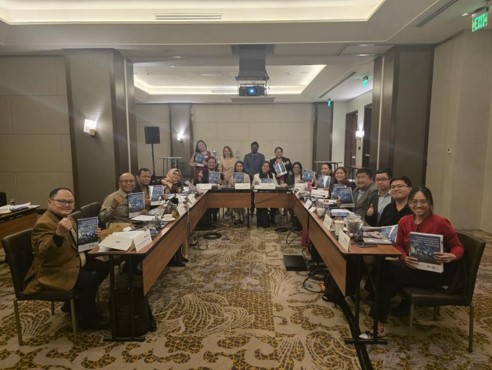
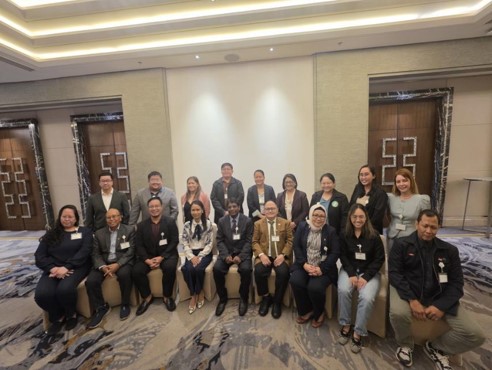
The two-day event, titled “Strengthening Chemical Supply Chain Security Capability in the Philippines and Indonesia,” was held in person from June 30 to July 1, 2026, at the Sheraton Manila Hotel at Newport World Resorts in Pasay City.
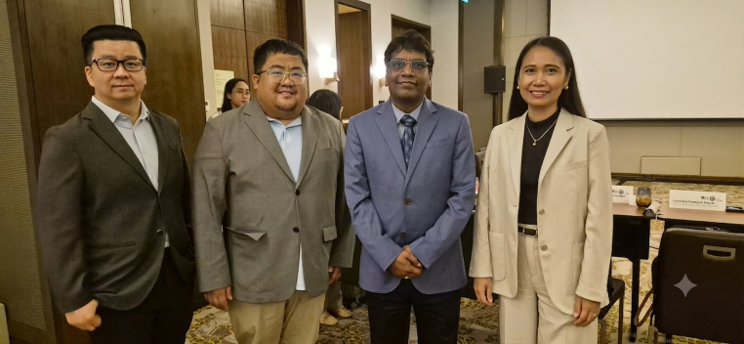
Representing PCAPI at the frontlines of this international security initiative were Engr. Norman Giovanni M. Guevarra (Treasurer), Mr. Jeremiah Dwight C. Sebastian (VP-External Affairs), and Engr. Gretchen Fontejon-Enarle, MSc. (Adviser). Their attendance underscores the association’s commitment to bridging environmental stewardship with global security standards.
The specialized train-the-trainer roundtable was organized by the U.S. Department of State’s Office of Cooperative Threat Reduction (CTR), in close cooperation with international subject matter experts from the Pacific Northwest National Laboratory (PNNL). The initiative targeted a critical regional vulnerability: preventing the diversion of weaponizable materials within commercial, industrial, and laboratory chemical sectors.
PCAPI’s participation in this crucial event was made possible through the coordination of the Samahan sa Pilipinas ng mga Industriyang Kimika (SPIK) / Chemical Industries Association of the Philippines, which forwarded the official invitation to the association, fostering essential cross-industry collaboration on national safety.
Tackling Evolving Threats in Southeast Asia
With Southeast Asia’s rapid industrial expansion comes an increased risk of malicious actors targeting hazardous, dual-use chemicals. The opening sessions established a shared sense of urgency, framing the discussion around global threats, recent trends, and the severe consequences of gaps in operational and technological security.
Delegates from both the Philippines and Indonesia provided country-specific reflections, highlighting the most pressing policy and operational challenges unique to their domestic industries.
Mastering Advanced Security Tools
Central to the workshop was the practical rollout of two advanced assessment frameworks:
- Chemical Security Assessment Model (CSAM): Designed to measure an organization’s internal chemical security maturity, focusing on facility resilience.
- Chemical Life Cycle and Supply Chain Security (CLiCS): A model focused on mapping vulnerabilities from manufacturing through transportation, ensuring end-to-end supply chain oversight.
After establishing key data privacy and anonymity protocols to build industry trust in the software, the delegations split for dedicated, deep-dive simulation sessions.
During the Philippine segment on July 1, the PCAPI delegates engaged in “hands-on” exercises testing real-world scenarios across crucial domains, including:
- Asset, Change, and Risk Management
- Threat, Vulnerability, and Identity Access Control
- Know Your Customer (KYC) Security and Transit Management
From Assessment to Action
The roundtable concluded with an integrated tabletop exercise. Rather than leaving with theoretical knowledge, the PCAPI delegates and local stakeholders mapped out concrete, time-bound action plans.
These included immediate physical security adjustments to be implemented within the next six months, medium-term policy improvements spanning up to two years, and foundational structures to improve cross-border coordination.
As a premier organization overseeing environmental and hazardous waste management compliance in the country, PCAPI’s engagement in this U.S. State Department-led initiative signals a stronger alignment between environmental safety and national security. By completing this train-the-trainer curriculum, the PCAPI delegates are now uniquely equipped to guide local manufacturers and laboratories in conducting self-assessments—ensuring that the Philippines’ chemical supply chain remains resilient against emerging global threats.